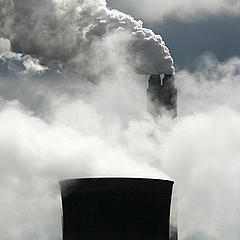
 Ecological Footprint is the impact of each of us makes on the planet. It works out how much land and sea is needed to feed us and provide all the energy, water and materials we use in our everyday lives. It also calculates the emission generated from oil, coal and gas we burn at ever-increasing rates, and it estimates how much land is needed to absorb all the waste we create (and there's plenty of it!)
If we cover the food, materials and energy we consume into areas of land and sea required to produce them, we would discover that for every tonne of paper we use each year, we need an area of forest about the size of five football pitches to produce it. And for each tonne of fish we eat, we need a sea area covering as much as 60 football pitches.
Every two years, WWF publishes a Living Planet report, which monitors the Earth’s natural resources and how we use them. The latest report shows that we’re consuming about 20% more each year than the planet can sustain into the long term. We’re eating into the Earth’s natural reserves by destroying our forests of our soil that’s been built up over centuries. Mankind’s global footprint is two and a half times larger than it was in 1961. As you might expect, there are large differences between the footprints of people in different countries: the average North American’s, for example, is double that of someone in the UK and seven times that of the average African or Asia. Impoverished countries such as Afghanistan and Eritrea make the smallest footprints. This misuse of the Earth’s natural resources can’t go on. The fact is, if everyone on Earth consumed as much as the average person here in the UK, we would need three planet to support us – and if we consumed as much as the average American, we’d need six planets.


